

Ferro Titanium Producer Guide: From Raw Materials to High-Quality Alloy Production
In modern steelmaking, the difference between average and high-performance steel often comes down to how well alloying elements are controlled. Among these elements, titanium plays a unique role. It helps clean the steel, refine its internal structure, and improve overall performance. To introduce titanium effectively, steel manufacturers rely on ferro titanium.
But what ensures that ferro titanium performs consistently inside the furnace? The answer lies in the production journey—from raw material selection to the final alloy delivered to steel plants.
This guide explores how a ferro titanium producer transforms raw materials into a high-quality alloy and why each stage of production matters for steel manufacturers.
Why Ferro Titanium Is Essential in Steel Production
Ferro titanium is widely used in steelmaking because of its strong affinity for oxygen and nitrogen. When added to molten steel, it reacts quickly to form stable compounds, improving steel cleanliness and structure.
Key benefits include:
- Effective deoxidation of molten steel
- Control of nitrogen content
- Grain refinement for better toughness
- Improved weldability and mechanical strength
- Enhanced consistency in steel properties
Because ferro titanium is typically added in small but critical amounts, its quality must be highly consistent. Even minor variations can impact steel performance.
Stage 1: Selecting the Right Raw Materials
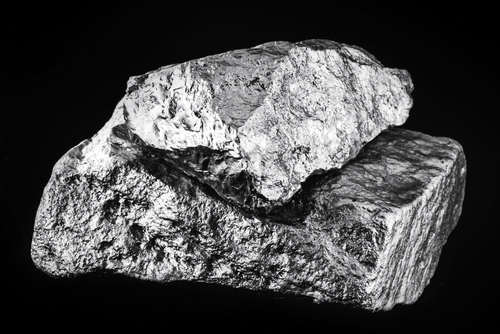
Ferro Titanium Producer
The production of high-quality ferro titanium begins with raw material selection. Producers commonly use:
- Titanium scrap or sponge
- Steel scrap or iron units
- Titanium-bearing minerals when required
The challenge at this stage is not just sourcing materials, but selecting clean and compatible inputs. Impurities such as sulfur, phosphorus, or unwanted metals can negatively affect the final alloy.
Experienced ferro titanium producers carefully inspect, sort, and grade raw materials before they enter the production process. This step is crucial for ensuring consistent alloy chemistry later.
Stage 2: Material Preparation and Pre-Treatment
Before melting, raw materials must be prepared to ensure uniform processing.
This preparation may include:
- Removing contaminants like oil, coatings, or rust
- Cutting scrap into suitable sizes
- Blending materials to achieve target composition
Proper preparation improves melting efficiency and reduces the risk of chemical imbalance during alloy formation.
Stage 3: Melting and Alloy Formation
The heart of ferro titanium production lies in the melting process. Producers typically use controlled furnace systems such as induction or electric arc furnaces.
During melting:
- Titanium and iron combine to form the alloy
- Temperature is closely controlled to prevent oxidation
- Slag forms to absorb impurities
Titanium is highly reactive, especially at elevated temperatures. If not handled correctly, it can react with oxygen prematurely, reducing its effectiveness in the final alloy.
Skilled producers manage furnace conditions carefully to ensure optimal alloy formation.
Stage 4: Refining and Composition Control
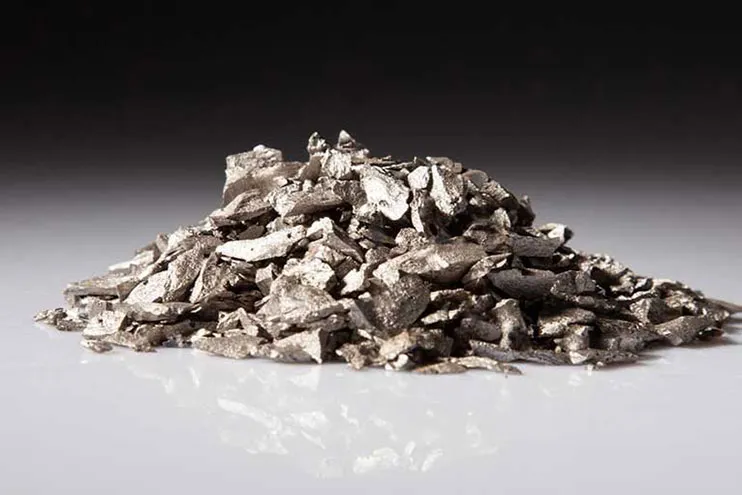
Ferro Titanium Producer
Once the alloy is formed, it undergoes refining to achieve precise chemical composition.
At this stage:
- Samples are taken and analyzed
- Adjustments are made to match required specifications
- Impurities are minimized further
This step ensures that the ferro titanium meets the exact requirements of steel manufacturers. Consistency at this stage is critical for predictable performance during steelmaking.
Stage 5: Solidification and Sizing
After refining, the molten alloy is cast into molds and allowed to solidify.
Once solid, it is:
- Crushed into different sizes
- Screened and classified
- Prepared based on customer requirements
Different steelmaking processes may require specific particle sizes for optimal dissolution. Proper sizing ensures that the alloy reacts efficiently in the molten bath.
Stage 6: Quality Testing and Assurance
Quality control is one of the most important aspects of ferro titanium production.
Reliable producers conduct detailed testing, including:
- Chemical composition analysis
- Particle size distribution checks
- Impurity level verification
- Physical property testing
Each batch is documented and verified to ensure it meets industry standards. This level of quality assurance reduces variability in steel production.
Stage 7: Packaging and Delivery
The final stage involves packaging and logistics.
Ferro titanium is packed in:
- Bulk bags
- Drums
- Customized packaging for industrial use
A strong supply chain ensures that the material reaches steel plants safely and on time. Reliable delivery is essential for maintaining continuous steel production.
What Makes a Ferro Titanium Producer Stand Out
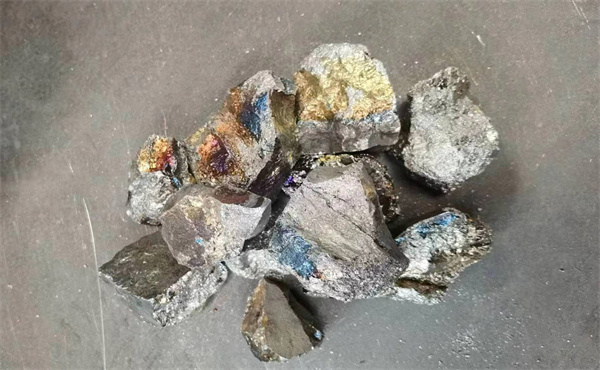
Ferro Titanium Producer
Not all producers offer the same level of quality and reliability. A trusted ferro titanium producer typically demonstrates:
- Consistent chemical composition
- Low impurity levels
- Advanced production processes
- Strong quality control systems
- Reliable and timely supply
- Technical understanding of steelmaking
These factors directly influence alloy recovery, steel cleanliness, and production efficiency.
The Growing Importance of Ferro Titanium in Modern Steel
As industries demand stronger, cleaner, and more reliable steel, the role of ferro titanium continues to grow. It is widely used in:
- Automotive manufacturing
- Infrastructure and construction
- Energy and pipeline systems
- Heavy engineering and machinery
Its ability to improve steel quality while maintaining process efficiency makes it an essential alloy in modern metallurgy.
Supporting Steel Manufacturing with Reliable Alloy Solutions
While ferro titanium plays a key role, steel production depends on a combination of alloying elements working together. Materials like manganese and other specialized alloys contribute to achieving balanced chemistry and desired performance.
Working with experienced alloy suppliers ensures consistency across the entire metallurgical process.
How Dsalloyd Pvt Ltd Supports Steel Manufacturers
Dsalloyd Pvt Ltd is a trusted supplier of high-quality alloy materials used in steel and manufacturing industries.
The company offers:
- Manganese Metal Flakes for steelmaking and alloy adjustment
- Noble Alloys for advanced metallurgical applications
With a strong focus on quality, consistency, and reliable supply, Dsalloyd Pvt Ltd supports manufacturers in maintaining efficient production processes and achieving high-performance steel results.
To explore their alloy solutions, visit:
https://www.dsalloyd.com/
FAQs – Frequently Asked Questions
What is ferro titanium used for in steelmaking?
It is used for deoxidation, nitrogen control, and grain refinement to improve steel quality.
What raw materials are used to produce ferro titanium?
Titanium scrap, sponge, and iron-based materials are commonly used.
Why is consistency important in ferro titanium production?
Consistent composition ensures predictable steel properties and reduces production variability.
How does ferro titanium improve steel performance?
It enhances strength, weldability, and cleanliness while reducing defects.
What should steel manufacturers look for in a producer?
They should consider quality control, manufacturing capability, supply reliability, and technical expertise.
Final Thoughts
The journey from raw material to high-quality ferro titanium alloy is a carefully controlled process. Each stage — from sourcing to refining to delivery — plays a crucial role in determining the performance of the final alloy.
For steel manufacturers, choosing the right ferro titanium producer means ensuring consistent quality, efficient alloying, and reliable production outcomes.
Companies like Dsalloyd Pvt Ltd support this process by providing dependable alloy materials such as manganese metal flakes and noble alloys, helping manufacturers achieve better control over steel chemistry and performance.
Visit https://www.dsalloyd.com/ to strengthen your alloy supply chain and support high-quality steel production.
