

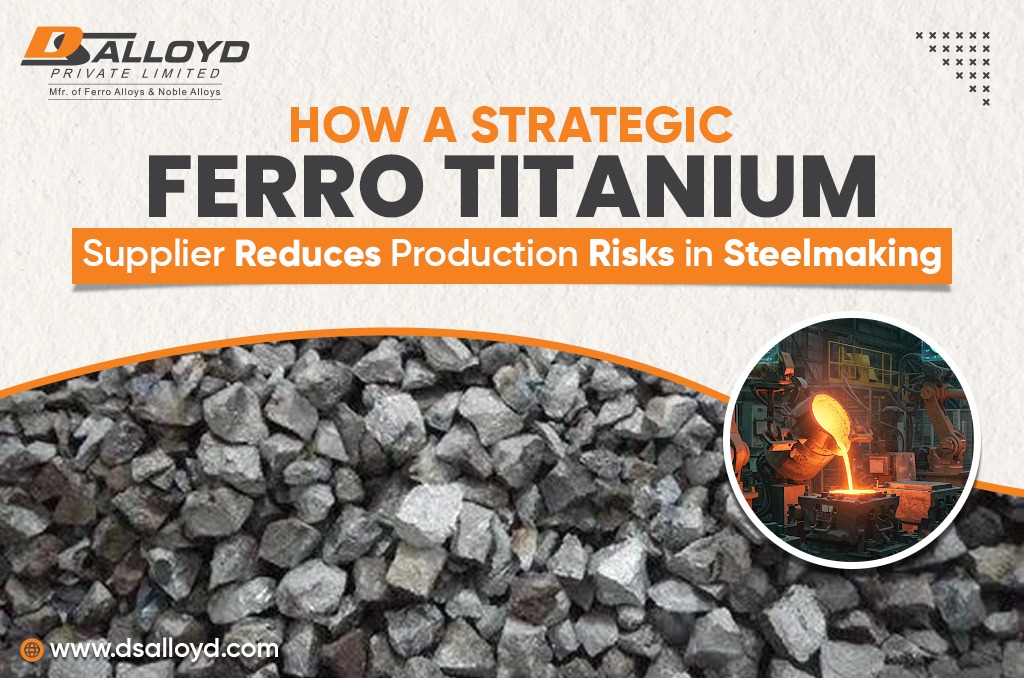
How a Strategic Ferro Titanium Supplier Reduces Production Risks in Steelmaking
There’s this idea that steel plants run like perfectly controlled systems.
In reality… not exactly.
Things go off track more often than people outside the industry think. Not big failures always — sometimes just small deviations that slowly create bigger issues.
And one of the common reasons behind those small deviations?
Raw materials not behaving the same way every time.
Ferro titanium is a good example of this. It’s not the biggest input, not the most expensive either, but when it’s inconsistent, you start noticing problems in places you wouldn’t immediately connect to it.
This usually starts very quietly
Nobody wakes up and says, “our ferro titanium is the problem.”
Instead, what happens is more like:
- a heat doesn’t go exactly as expected
- impurity levels are slightly off
- someone adjusts timing or temperature to compensate
- next batch behaves differently again
At first, it just feels like normal variation. Steelmaking always has some variation.
But when it keeps happening, people start looking deeper.
And quite often, it leads back to input materials.
Ferro titanium sounds simple… but it’s not always simple
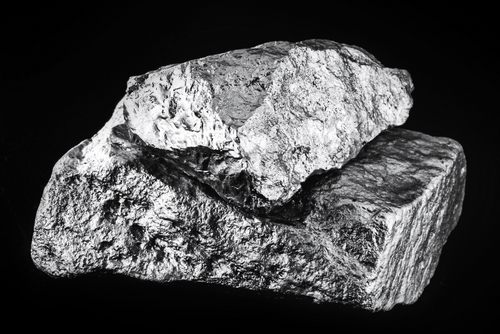
Ferro Titanium Supplier
On paper, it’s straightforward — iron + titanium, added to improve steel quality.
In practice, the performance depends a lot on:
- how it was produced
- what raw material went into it
- how consistent the batches are
If the composition shifts even a little, its behavior inside molten steel changes.
And steelmaking doesn’t always give you time to “figure it out slowly.”
Where the risk actually comes from
The risk is not just “bad material.”
It’s unpredictable material.
There’s a difference.
A plant can adjust to slightly lower quality if it’s consistent.
But adjusting to something that changes every time? That’s harder.
This is where supply chain starts playing a bigger role than people expect.
Not all suppliers reduce risk (some actually increase it)
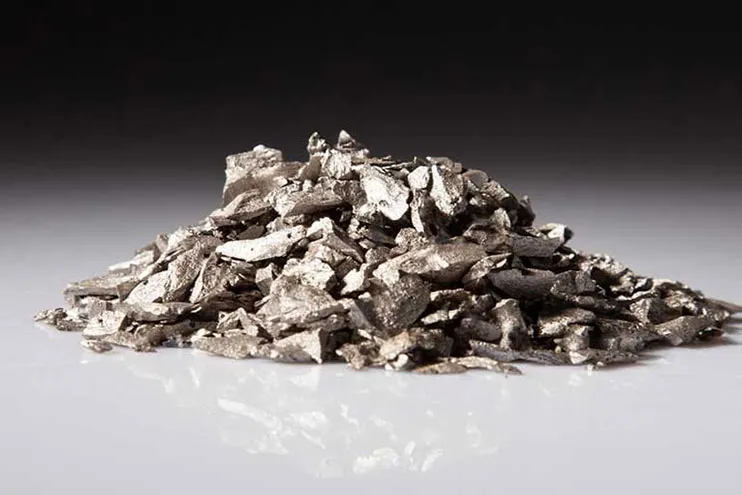
Ferro Titanium Supplier
This part is a bit uncomfortable to say, but it’s true.
Some suppliers focus mainly on:
- offering lower price
- sourcing from wherever it’s cheaper that week
- moving material quickly
And that works fine… until consistency becomes important.
Because then you start seeing:
- different behavior from batch to batch
- need for constant parameter adjustments
- confusion on the shop floor
That’s when people realize they don’t just need a supplier.
They need someone predictable.
What makes a supplier “strategic” in real terms
Not a fancy definition. Just practical things.
A strategic ferro titanium supplier usually does a few things differently:
They don’t keep changing raw material sources too often.
They try to maintain similar processing conditions.
They understand how their material behaves in actual steelmaking (not just lab reports).
And maybe most importantly — they aim for repeatability.
Same input → similar output → fewer surprises.
Sounds basic, but it’s actually rare.
How this reduces production risk (in real situations)
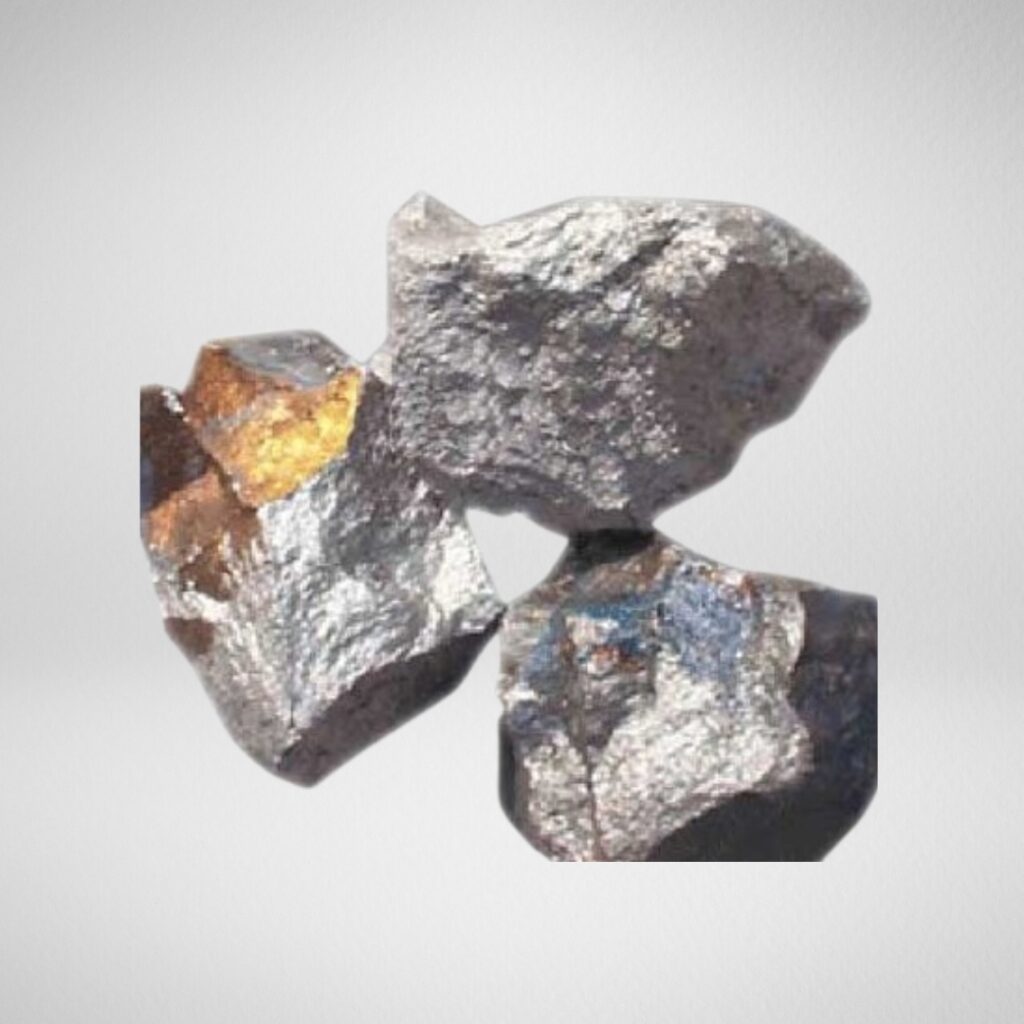
Ferro Titanium Supplier
Let me explain this in a more ground-level way.
Fewer mid-process corrections
When material behaves the same way, operators don’t have to keep adjusting temperature, timing, or additions.
That alone saves time and reduces stress.
More predictable results
You start getting similar output for similar inputs.
This is a big deal in plants producing specific grades where consistency matters a lot.
Lower rejection (even if slightly)
Even a small reduction in rejected batches makes a difference over weeks and months.
It’s not always dramatic, but it adds up.
Better planning
When supply is reliable, planning becomes easier.
No last-minute scrambling, no emergency sourcing.
Something people don’t say openly
Sometimes, when there are production issues, teams look everywhere:
- furnace
- process
- manpower
- equipment
But they hesitate to question raw material consistency, especially if the supplier relationship is transactional.
Only later, after multiple cycles, it becomes obvious.
Also, ferro titanium is not working alone
This is important.
Inside a steel plant, nothing works in isolation.
Ferro titanium interacts with other materials like:
- manganese
- silicon
- other alloying elements
If one of them is inconsistent, it affects the overall balance.
So even if your ferro titanium is good, but manganese isn’t stable, results can still vary.
That’s why some plants prefer working with suppliers who can provide multiple alloys with stable quality, instead of managing too many uncertain sources.
Where Dsalloyd Pvt Ltd fits in (keeping it real)
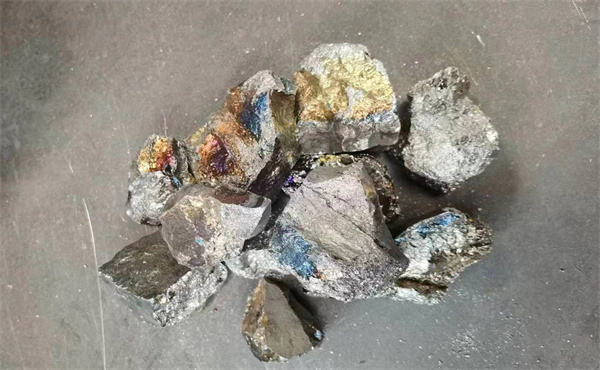
Ferro Titanium Supplier
Not going to oversell this.
But companies like Dsalloyd Pvt Ltd focus on supplying manganese metal flakes and noble alloys, which are also part of the same equation.
When materials like manganese are consistent, it supports the overall melt behavior. And indirectly, it makes other alloy additions (like ferro titanium) more predictable too.
So it’s not just about one product — it’s about reducing variation across the board.
One simple way to look at it
Steelmaking already has enough variables:
- heat
- timing
- reactions
- equipment
If raw materials also become unpredictable, you’re basically adding another layer of complexity.
Most plants don’t want that.
They want fewer unknowns.
And a strategic supplier helps remove at least one of them.
Final thought (not trying to sound perfect)
Ferro titanium isn’t the most visible part of steelmaking.
But when it’s inconsistent, it becomes noticeable in indirect ways — process adjustments, uneven results, small inefficiencies.
Nothing dramatic at once… but over time, it affects output.
That’s why more people are quietly shifting toward suppliers they trust, even if the price difference exists.
Because stability, in the long run, usually costs less than unpredictability.
FAQs
- Is ferro titanium really that sensitive in steelmaking?
Yes, especially in controlled grades. Small variations can change how it reacts inside molten steel. - What kind of problems can inconsistent supply cause?
Mostly indirect ones — process adjustments, variation in output, and sometimes higher rejection. - Why not just adjust the process every time?
You can, but constant adjustment slows things down and increases operational effort. - Does supplier choice really make that much difference?
Over time, yes. Especially when consistency becomes important. - Are other alloys equally important?
Yes. Materials like manganese and other noble alloys also need to be stable for better results.
👉 If you’re sourcing alloys and dealing with unpredictable results
Sometimes the issue isn’t obvious.
It’s not always the furnace or the process. Sometimes it’s just variation in input materials building up over time.
If that sounds familiar, it might be worth looking at suppliers who focus more on consistency.
Dsalloyd Pvt Ltd supplies manganese metal flakes and noble alloys with an emphasis on stable industrial quality.
You can check them here:
https://www.dsalloyd.com/
Not saying it fixes everything… but it can remove one major uncertainty.
