
Ferro Titanium Supply Chain: Why Consistency Actually Matters in Modern Steel Plants
If you’ve ever been inside a steel plant (or even spoken to someone who works there), you’ll notice one thing — people don’t really talk in fancy terms.
They talk about problems.
And one problem that comes up again and again, but not always publicly, is material consistency.
Not pricing. Not availability alone.
Consistency.
Ferro titanium is one of those materials where this becomes very obvious.
So first… what’s the deal with ferro titanium?
I won’t overcomplicate it.
It’s basically used to “clean up” molten steel and make sure the final product behaves the way it’s supposed to.
It removes unwanted gases, helps structure the metal better, and improves strength. That’s it in simple words.
But here’s the thing — it works well only when it’s consistent.
And that’s where most issues start.
The part nobody really says openly
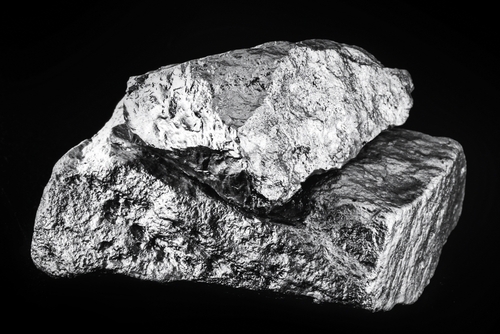
Ferro Titanium Supply Chain
On paper, ferro titanium is just another alloy.
In real life, batches can vary.
A lot.
Two shipments might look the same on documents but behave slightly differently inside the furnace. And in steelmaking, even a small difference is enough to mess things up.
People don’t always write about this, but operators notice it immediately.
Why the supply chain is kind of… unstable
It’s not always because suppliers are careless. The problem starts earlier.
1. Raw material is not uniform
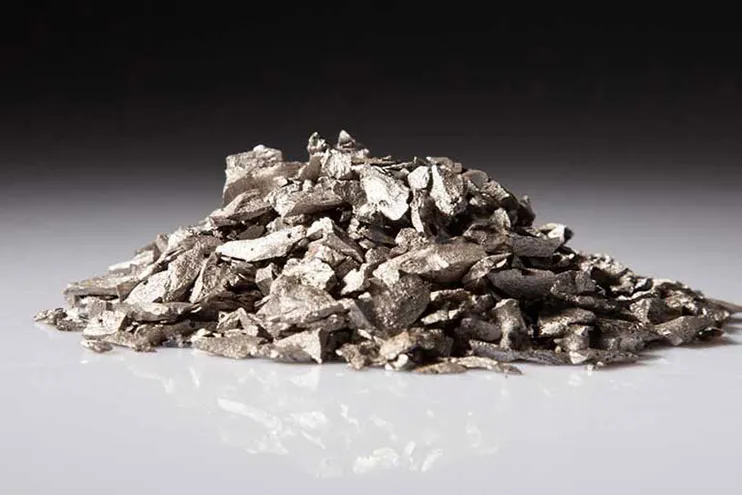
Ferro titanium often comes from titanium scrap. And scrap is… well, scrap. It’s not perfectly uniform.
So naturally, the final product can vary unless controlled very tightly.
2. Sourcing keeps changing
Sometimes suppliers switch sources based on price or availability. That affects composition, even if slightly.
3. Logistics delays create pressure
When shipments are late, plants are forced to adjust. And rushed procurement usually means compromise.
4. Energy costs quietly affect quality
Production needs high heat. If a producer is cutting corners due to rising energy costs, it can show in the final material.
Why steel plants care more about consistency than cost (even if they don’t say it directly)
Ferro Titanium Supply Chain
At first glance, saving a bit per ton sounds like a win.
But inside the plant, the story changes.
- If ferro titanium behaves differently → process adjustments increase
- If impurity removal isn’t consistent → steel quality drops
- If results vary → more testing, more delays
And honestly, no plant wants to deal with unpredictable inputs.
It slows everything down.
So over time, most experienced buyers stop chasing the cheapest option. They just want something that works the same way every time.
Something that’s changing now
Earlier, procurement was more transactional.
Now it’s shifting.
Plants are slowly moving toward suppliers they trust, even if they aren’t the cheapest. Because stability saves more money in the long run than short-term cost cutting.
Also, with more advanced steel grades being produced today, tolerance for variation is getting smaller.
So yeah, consistency is becoming a bigger deal than before.
Where suppliers actually make a difference
Ferro Titanium Supply Chain
This is where companies like Dsalloyd Pvt Ltd fit into the picture.
Not in a promotional way — just practically speaking.
When a supplier focuses on steady quality and predictable supply, it reduces a lot of pressure from the plant side.
And it’s not just about ferro titanium either.
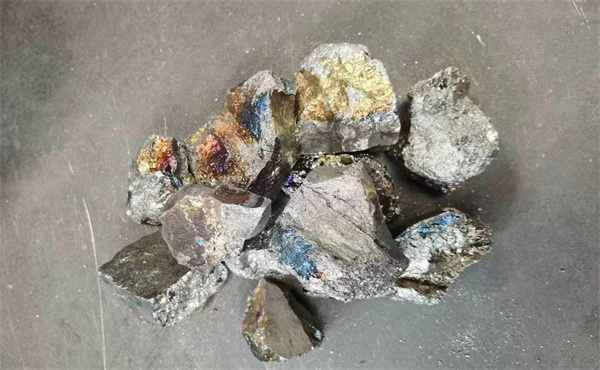
Materials like manganese metal flakes and noble alloys also play a role in the overall steel composition. If those aren’t consistent, the whole balance gets affected.
So having a supplier who understands that… it matters more than people think.
A simple way to look at it
Steelmaking is already complicated.
If your raw materials keep changing behavior, you’re basically adding another variable to an already sensitive process.
And most plants don’t want that.
They just want materials that do the same job, the same way, every time.
Sounds simple, but it’s actually hard to achieve.
Final thought (not a fancy one)
Ferro titanium isn’t the most expensive input.
But when it’s inconsistent, it becomes one of the most problematic ones.
And that’s why supply chain consistency — not just availability — is becoming a bigger focus in modern steel plants.
FAQs
- Is ferro titanium quality really that variable?
Yes, especially when it’s made from mixed scrap sources. Variation can happen if not controlled properly. - Why can’t plants just adjust the process?
They can, but constant adjustments slow production and increase cost over time. - Is cheaper ferro titanium always a bad choice?
Not always, but if it’s inconsistent, it can create bigger problems later. - What other materials affect steel quality like this?
Manganese, silicon, and other noble alloys also play a big role. - What should buyers actually prioritize?
Consistency, supplier reliability, and predictable performance — more than just price.

