

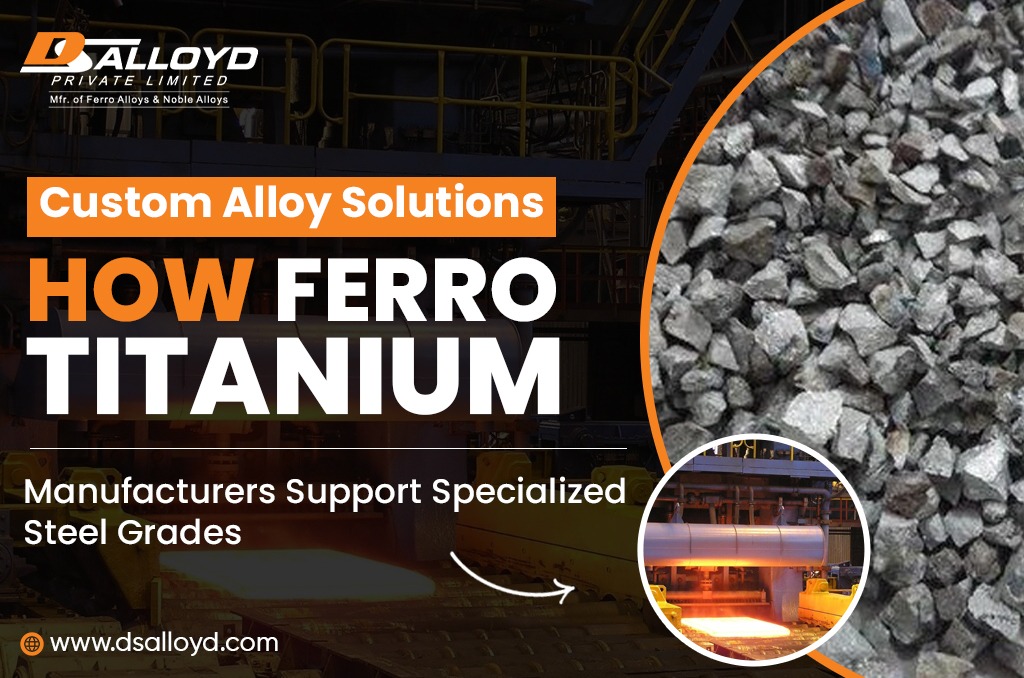
Custom Alloy Solutions: How Ferro Titanium Manufacturers Support Specialized Steel Grades
Not all steel is made the same. Some types are fairly standard and forgiving. But then there are those grades where even a small mistake in chemistry can create big problems later on — cracking, poor strength, or inconsistent performance.
That’s usually where things start getting serious for steel manufacturers.
When you’re working with specialized steel grades — like those used in automotive parts, pipelines, or heavy engineering — you can’t just rely on basic alloy additions. Everything has to be more controlled, more predictable. And honestly, that’s where ferro titanium manufacturers quietly play a much bigger role than most people realize.
It’s not just about supplying ferro titanium. It’s about how they adapt it to suit different steelmaking needs.
Why “Standard Alloy” Doesn’t Always Work
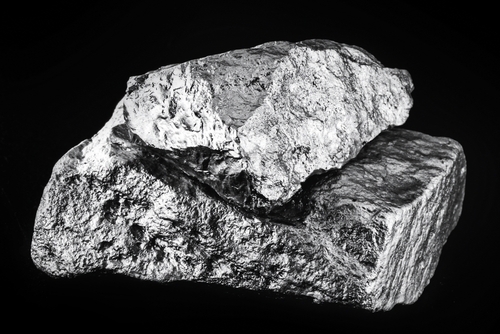
Ferro Titanium Manufacturers
In theory, adding alloys to steel sounds simple. You follow a formula, add materials, and get the desired properties.
But in practice, it rarely works that smoothly.
Different steel grades behave differently in the furnace. Temperature variations, slag conditions, timing — all of this affects how alloys react. So even if two plants are making similar steel, they might need slightly different approaches.
That’s why a “standard” ferro titanium product isn’t always enough.
Steelmakers often need something more tailored. Something that fits their process, not the other way around.
Where Ferro Titanium Actually Makes a Difference
Ferro titanium is mostly used for a few key things:
- Removing oxygen from molten steel
- Controlling nitrogen levels
- Helping refine the grain structure
Now, these might sound like small adjustments, but they’re not.
For example, if oxygen isn’t properly controlled, you can end up with inclusions that weaken the steel. If nitrogen isn’t managed, the steel can become brittle. And if the grain structure isn’t right, you lose toughness.
Titanium helps fix these issues — but only if it’s used correctly.
And that’s where the manufacturer matters.
What “Custom Alloy Solutions” Really Means (In Simple Terms)
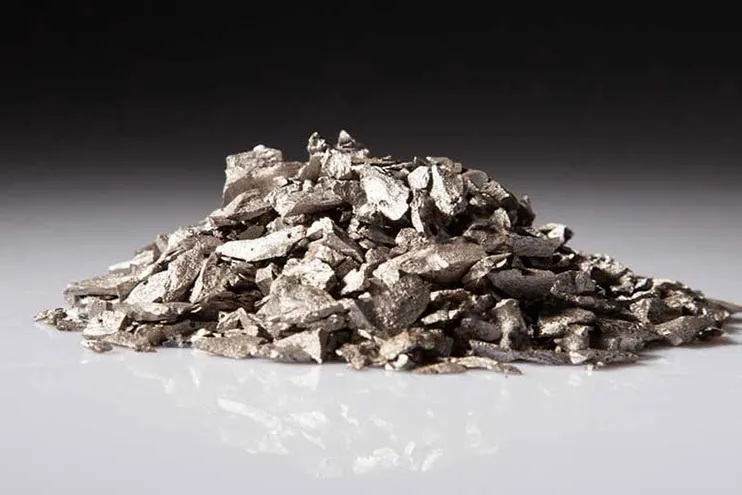
Ferro Titanium Manufacturers
You’ll hear this term a lot — custom alloy solutions. It sounds technical, but it’s actually pretty straightforward.
It just means the ferro titanium isn’t produced in a one-size-fits-all way. Instead, it’s adjusted based on what the steel plant actually needs.
Here’s how that usually happens.
1. Adjusting Titanium Levels
Not every steel grade needs the same amount of titanium.
Some require just a small addition for fine control. Others need more aggressive deoxidation.
A good manufacturer understands this and can supply ferro titanium with the right composition — instead of forcing the steelmaker to adjust everything on their end.
2. Keeping Impurities Under Control
This is something people don’t always talk about enough.
Impurities like sulfur or phosphorus can quietly ruin steel quality. And if they come from the alloy material itself, it’s even worse.
Experienced manufacturers pay close attention to raw materials and refining. It’s not glamorous work, but it makes a huge difference in the final steel.
3. Changing the Size of the Material
This might seem like a small detail, but it actually matters quite a bit.
The size of ferro titanium pieces affects how they melt and react in the furnace.
- Smaller sizes → faster reaction
- Larger sizes → slower, more controlled reaction
Depending on the process, one might work better than the other. So manufacturers often supply different sizes based on what the plant prefers.
4. Improving Alloy Recovery
In steelmaking, not everything you add ends up in the final product. Some of it gets lost during the process.
Better-quality ferro titanium tends to have better recovery — meaning more of it actually does its job.
Over time, this can reduce waste and even bring down costs a bit.
5. Understanding Real Plant Conditions
This is probably the biggest difference between an average supplier and a good one.
A good ferro titanium manufacturer doesn’t just think in terms of chemistry. They understand what’s happening inside the steel plant:
- Furnace temperatures
- Slag conditions
- Timing of additions
Because of that, they can supply material that works in real conditions, not just on paper.
Why This Matters More Than Before
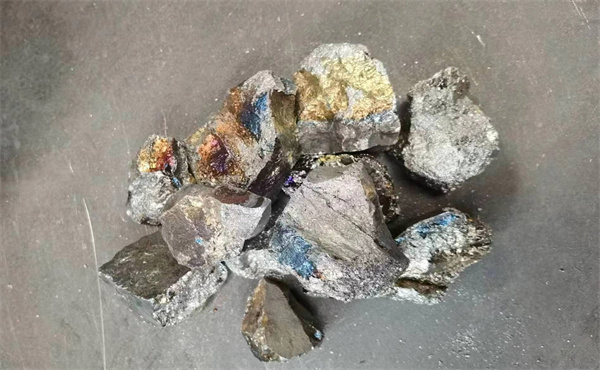
Ferro Titanium Manufacturers
Steel requirements today are not what they used to be.
There’s more pressure to produce:
- Stronger materials
- Lighter components
- More consistent quality
And at the same time, there’s pressure to reduce waste and control costs.
So steelmakers can’t afford inconsistency in alloy materials anymore. Even small variations can create bigger issues down the line.
That’s why more companies are moving toward customized alloy supply instead of generic materials.
It’s Not Just About One Alloy
Ferro titanium is important, no doubt. But it doesn’t work alone.
Steel chemistry is always a mix of elements working together. Materials like manganese and other specialized alloys also play their role in balancing properties.
When all these materials come from reliable sources, the process becomes much smoother.
How Dsalloyd Pvt Ltd Fits Into This
When it comes to alloy supply, consistency is everything.
Dsalloyd Pvt Ltd focuses on supplying materials that support stable and reliable steel production. Their range includes:
- Manganese Metal Flakes
- Noble Alloys
These materials are used by manufacturers who need better control over steel chemistry and performance.
If you’re working on improving your alloy sourcing or just want more consistency in your process, it’s worth taking a look:
https://www.dsalloyd.com/
FAQs
What are custom alloy solutions, really?
It just means the alloy is adjusted based on your process instead of being a standard product.
Why is ferro titanium important in steelmaking?
It helps clean the steel by removing oxygen and controlling nitrogen.
Does the size of ferro titanium matter?
Yes, it affects how fast and how well it reacts in the furnace.
Can better alloy quality reduce costs?
In many cases, yes — mainly by improving recovery and reducing waste.
Do all steel plants need custom alloys?
Not always, but for specialized grades, it usually helps a lot.
Final Thoughts
At the end of the day, making specialized steel is not just about adding alloys — it’s about understanding how those alloys behave in your process.
Ferro titanium manufacturers who offer custom solutions make that job easier. They help reduce guesswork, improve consistency, and make the whole operation a bit more predictable.
And when you combine that with reliable materials like manganese metal flakes and noble alloys from companies like Dsalloyd Pvt Ltd, things tend to run smoother overall.
