

Need High-Purity Ferro Vanadium?
People who have never worked around steel plants usually think manufacturing is mainly about machines. Large furnaces, automated systems, heavy equipment, and production lines often get most of the attention. But if you speak with people who spend years inside steelmaking operations, they usually say something different. They know production rarely depends on machines alone. It depends on consistency.
Consistency in temperature. Consistency in process control. Consistency in timing. And probably most importantly, consistency in raw materials.
That last point often gets ignored outside industrial circles.
Many production issues do not start because of a major equipment failure or a dramatic mistake. More often, problems begin quietly. A material behaves slightly differently. Recovery changes a little. Operators make additional adjustments. Quality checks increase. Nobody panics because production continues, but extra effort slowly becomes part of the routine.
Over time, these small changes begin affecting productivity in ways that are difficult to measure immediately.
This is exactly why high-purity Ferro Vanadium has become an important discussion inside modern steel plants. Manufacturers today are not simply looking for a company that can supply ferro vanadium. They are looking for suppliers that can consistently deliver quality material with predictable performance.
Because in manufacturing, uncertainty usually creates more work than people realize.
Ferro vanadium may be a small addition, but its effect on steel can be significant
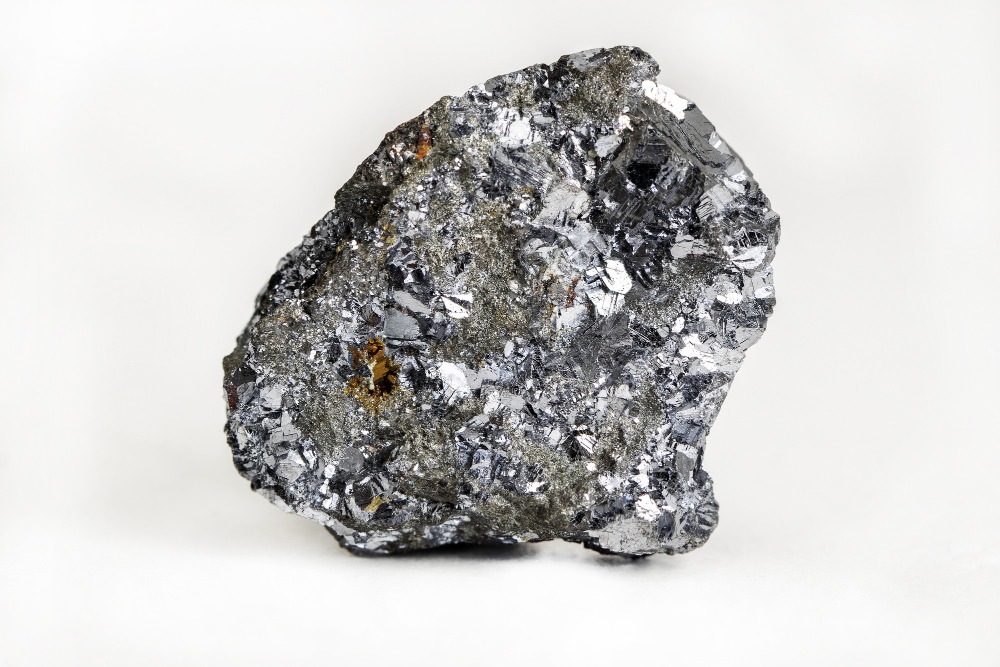
Ferro vanadium is an alloy material primarily used to improve steel properties. It contributes to higher strength, better wear resistance, improved toughness, and grain refinement. Although the amount added during steelmaking is often relatively small compared to larger raw material volumes, its impact can be surprisingly large.
This is one reason vanadium-containing steel is used in industries where material performance matters heavily.
Applications commonly include:
- infrastructure projects
- automotive manufacturing
- structural steel production
- industrial tools
- oil and gas pipelines
- heavy engineering equipment
- construction materials
The interesting part is that steel performance improvements do not always require large additions of vanadium. Even controlled amounts can create meaningful differences.
However, that also creates another challenge.
When small additions create large effects, even small inconsistencies can become noticeable.
Two materials can look identical on paper and still behave differently
This surprises many people.
Most procurement discussions start with chemistry reports, specifications, and pricing. Those things are obviously important. But production teams frequently observe something beyond laboratory reports.
Two batches can technically meet specifications and still perform differently.
One batch melts smoothly.
Another may react slightly differently.
One creates predictable behavior.
Another suddenly requires more attention.
These are not always huge changes.
In fact, that is exactly why they become difficult to identify.
Steel plants rarely struggle because of one giant issue. Usually operational pressure develops from smaller variations repeating again and again.
A slight recovery difference today.
Additional monitoring tomorrow.
Extra adjustment next week.
Eventually those small changes become part of daily production challenges.
And this is where material purity becomes more important than people outside manufacturing often assume.
Purity means more than simply achieving target chemistry
When people hear “high purity,” they often think about percentages printed on a certificate.
And of course chemical composition matters.
But inside actual steelmaking environments, people often judge materials differently.
Production teams ask practical questions:
Can operators predict how this material behaves?
Will the next batch perform similarly?
Will process adjustments remain stable?
Can engineers trust repeatable outcomes?
These questions rarely appear inside marketing brochures, but they are very common inside production discussions.
Because manufacturing does not operate only on specifications.
It operates on confidence.
And confidence usually comes from repeatable behavior.
There is a reason steel plants become careful about changing suppliers
In the early stages of procurement, companies naturally focus on pricing and availability.
That makes sense.
Every manufacturing operation wants cost efficiency.
But after enough production cycles, priorities slowly begin changing.
Because people start realizing something:
Changing suppliers does not always mean changing only a vendor.
Sometimes it changes process behavior too.
Production systems gradually adapt around expected material performance. Engineers optimize conditions. Operators become familiar with reactions. Teams learn patterns.
Then a different material enters the process.
Suddenly additional observation begins.
Process adjustments increase.
Quality monitoring becomes more frequent.
Someone from production eventually says:
“Something feels slightly different.”
That may sound informal, but experienced operators often identify material changes surprisingly early.
Years of repeated observation create instincts that are difficult to explain on paper.
Hidden production costs rarely show up during purchasing discussions
This is one of the biggest reasons why experienced facilities begin looking beyond immediate purchase price.
Because visible cost and actual cost are sometimes very different things.
Inconsistent material can quietly create:
- repeated process adjustments
- additional operator attention
- longer process stabilization
- increased quality inspections
- troubleshooting time
- productivity loss
- operational delays
Individually these may not appear serious.
But manufacturing works through repetition.
When small inefficiencies repeat daily, their impact gradually becomes larger.
That is why many production teams eventually realize something important:
The lowest price does not always create the lowest overall cost.
Sometimes stable performance creates greater value.
Predictability becomes valuable after enough production experience

Manufacturing teams eventually begin appreciating something that sounds simple.
Predictability.
Stable material behavior creates confidence throughout operations.
Operators work faster because they know what to expect.
Engineers make fewer adjustments.
Production planning becomes easier.
Unexpected interruptions become less common.
None of these things create exciting headlines.
But inside manufacturing environments, smooth operations often matter more than dramatic improvements.
Most facilities are not searching for surprises.
They are searching for consistency.
Why supplier quality eventually becomes process quality
Over time, supplier relationships become part of manufacturing performance itself.
Because suppliers influence much more than inventory.
Reliable suppliers help support:
- chemistry consistency
- controlled impurity levels
- stable batch quality
- repeatable material behavior
- predictable process performance
As steel manufacturing requirements continue increasing, supplier reliability becomes increasingly important.
Because preventing inconsistency at the sourcing stage is often easier than correcting it later during production.
Where Dsalloyd Pvt Ltd supports industrial alloy requirements
Steel manufacturing depends on multiple alloy materials working together. Maintaining consistency across all inputs helps create more stable and predictable production conditions.
Dsalloyd Pvt Ltd supplies industrial materials including:
- Manganese Metal Flakes
- Noble Alloys
used across steel and alloy manufacturing industries.
Reliable sourcing matters because stable material quality often helps reduce variation and support smoother production processes.
You can explore more here: https://www.dsalloyd.com/
Because many production improvements actually begin before materials even enter the furnace.
Final thoughts
High-purity Ferro Vanadium is not simply valuable because it meets technical specifications.
Its real value becomes visible later during actual production.
Inside steel plants, small material variations often create larger operational effects than expected. That is why experienced manufacturers eventually begin asking different questions.
Not:
“Who can supply ferro vanadium?”
But:
“Who can supply it consistently?”
Because in manufacturing, repeatable quality usually matters more than occasional perfection.
FAQs
Ferro vanadium is commonly used in steelmaking to improve strength, toughness, wear resistance, and grain structure.
Higher purity helps create more predictable alloy behavior and reduces production variation.
Yes. Even small differences may increase process adjustments and operational effort.
Reliable suppliers help maintain stable material quality and predictable performance.
Not necessarily. Consistent performance often creates more long-term value than short-term cost savings.
