

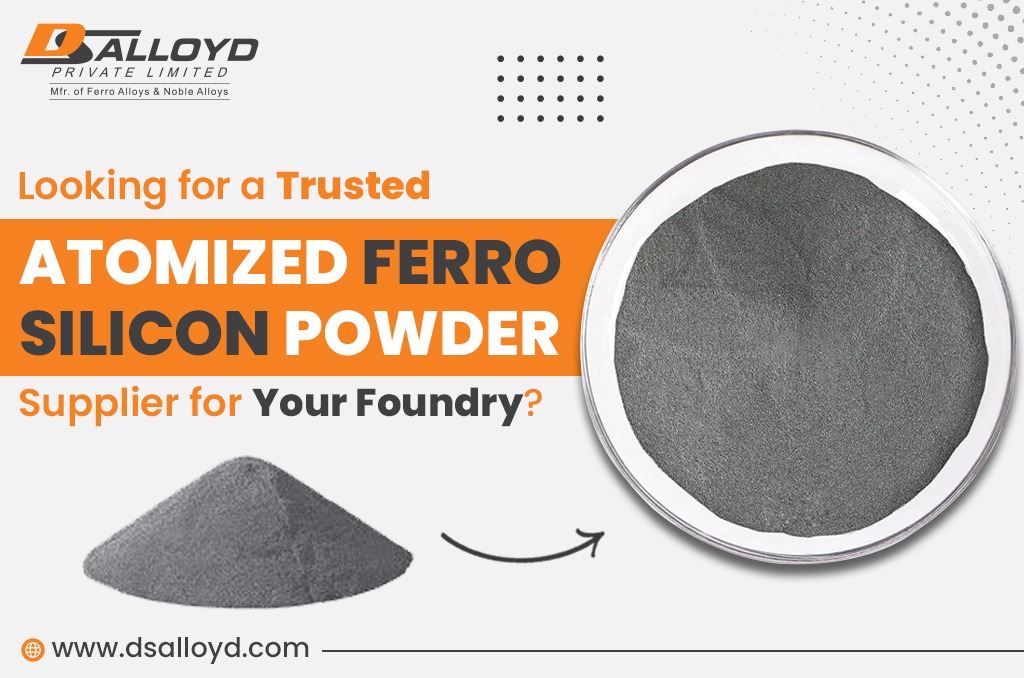
Looking for a Trusted Atomized Ferro Silicon Powder Supplier for Your Foundry?
People outside manufacturing usually think foundries run on machines.
People inside foundries know that’s only half true.
A foundry actually runs on consistency.
Consistent temperature.
Consistent timing.
Consistent raw material behavior.
And the moment one thing starts behaving differently, the whole process starts becoming harder to control.
Not impossible. Just… annoying.
That’s honestly the best word for it.
Because most production problems are not dramatic movie-type failures. It’s usually smaller things that slowly start eating time every day.
Someone adjusts feeding again.
Someone checks recovery numbers twice.
Someone says the material “feels different.”
Then work continues.
And atomized ferro silicon powder is one of those materials where people notice these small differences faster than expected.
This topic sounds boring until you actually deal with it
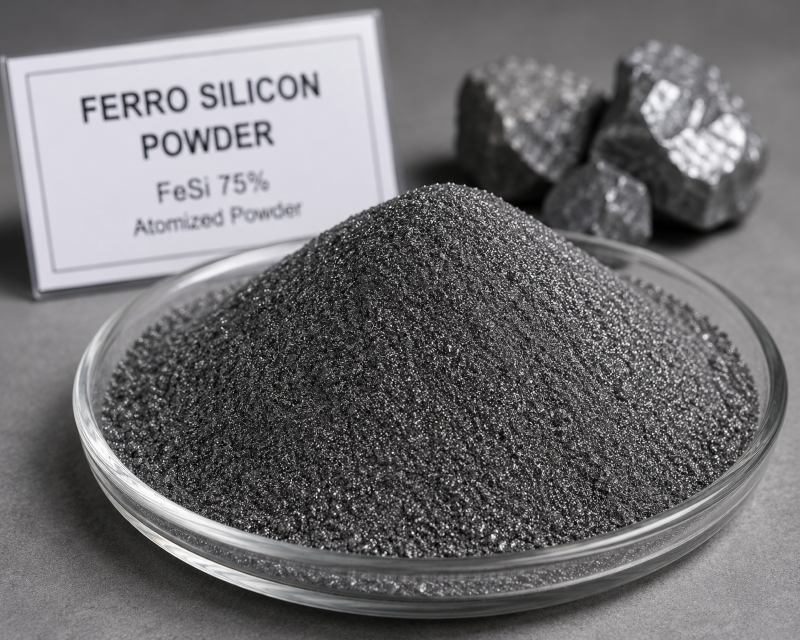
Ferro Silicon Powder Supplier
To someone outside the industry, powder is powder.
But people working near production know it’s not that simple.
Two powders can technically meet the same specification and still behave differently during actual use.
That part rarely gets discussed properly.
Usually the conversation stays limited to:
- chemistry
- percentage
- price
- delivery
But in real operation, people care about things like:
- how smoothly it feeds
- whether flow changes between batches
- whether the behavior feels predictable
- whether operators need constant adjustment
These are practical things. Not brochure points.
What atomized ferro silicon powder is actually doing
Not going into textbook definitions because honestly most people skip those sections anyway.
In simple terms, atomized ferro silicon powder is used in foundries and alloy-related applications where controlled material behavior matters.
Because the powder is atomized, it usually has:
- better particle shape
- more controlled distribution
- improved flow compared to irregular powder
And on paper that sounds like a small detail.
Inside production, it becomes a bigger deal.
Because flow consistency directly affects handling and process stability.
A lot of sourcing decisions change after production problems start repeating
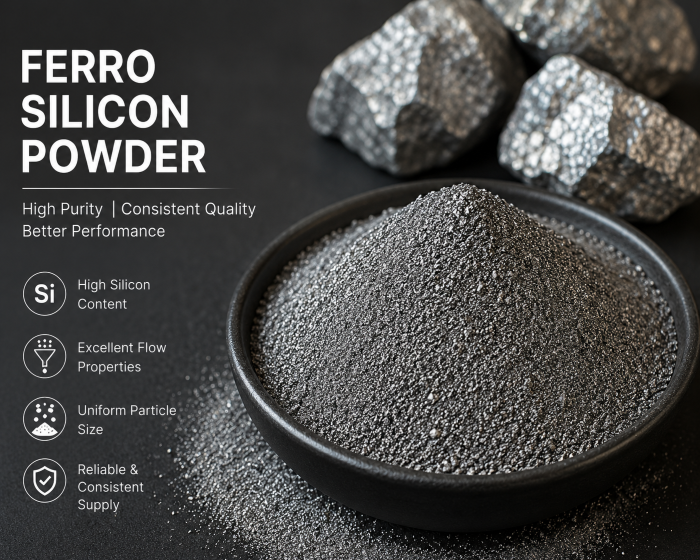
Ferro Silicon Powder Supplier
This happens in almost every manufacturing setup.
Initially the focus is simple:
“Can we get the material fast?”
“Can we get it cheaper?”
Fair enough.
But after a few months, the conversation slowly changes.
Because then people start noticing:
- one batch works smoothly
- another needs adjustment
- one lot flows properly
- another feels slightly uneven
Not enough to stop production.
But enough to keep operators busy.
And this is usually when someone from production starts pushing procurement to stop changing suppliers too often.
One thing experienced operators notice immediately
Flow behavior.
They may not explain it scientifically every time, but experienced people can tell when powder behaves differently.
Sometimes they’ll say:
“feeding isn’t smooth today”
“looks denser than usual”
“last batch was easier to handle”
Small comments.
But these comments matter because they come from repeated real-world observation.
And most of the time, these differences trace back to material consistency.
Why foundries slowly become loyal to certain suppliers
This doesn’t happen because of marketing.
Nobody in a foundry becomes loyal because of fancy presentations.
It usually happens after months of fewer problems.
That’s it.
If material keeps behaving predictably, people trust it more.
Not emotionally. Operationally.
A trusted atomized ferro silicon powder supplier usually provides:
- more stable batches
- controlled particle sizing
- better consistency between lots
- fewer unexpected variations
And honestly, even a small reduction in variation makes daily operations easier.
The hidden cost of inconsistent powder is bigger than people think
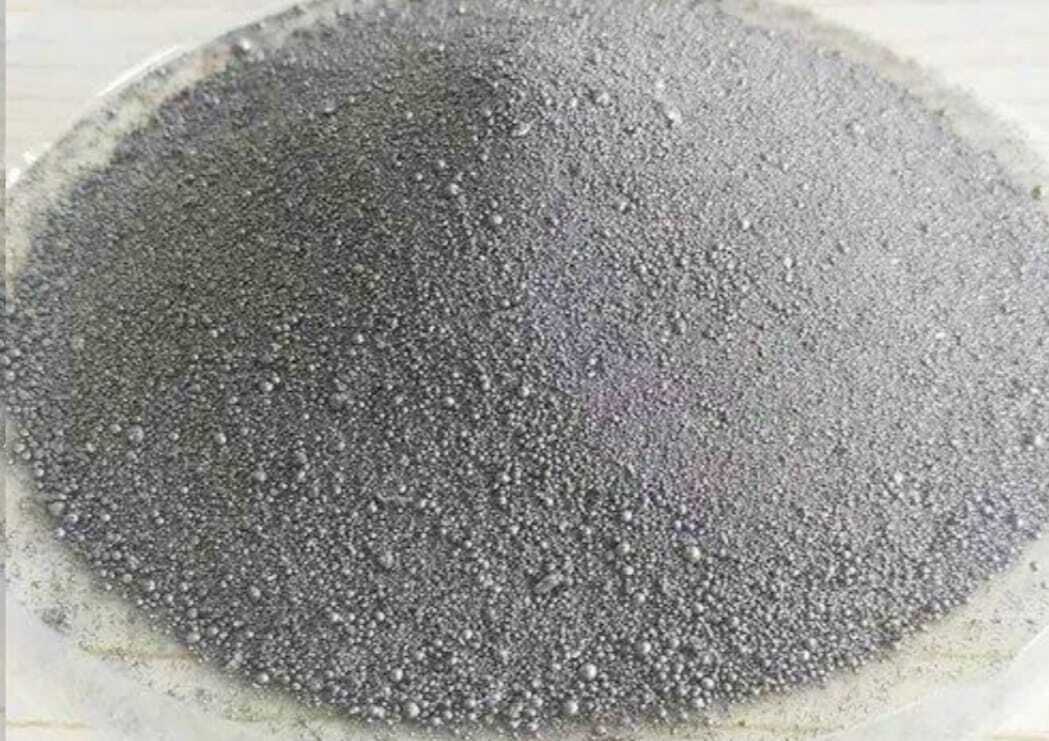
Ferro Silicon Powder Supplier
Most people calculate only purchase price.
But production teams look at the bigger picture.
Because inconsistent powder can create:
- extra process adjustments
- slower feeding
- unstable reactions
- more monitoring time
- occasional rejection issues
None of these individually look expensive.
But combined over months, they become a real operational cost.
And this is exactly why many foundries stop chasing the absolute lowest price after a while.
Something interesting happens inside long-running plants
The production process slowly adapts around material behavior.
Operators learn timing based on experience.
Settings get optimized around expected consistency.
Handling methods become standardized.
Then suddenly a different batch arrives behaving differently.
Now the whole rhythm changes.
Again, not catastrophic. Just inefficient.
And manufacturing people hate inefficiency more than almost anything.
Why atomized powder quality matters beyond chemistry
This is where many buyers underestimate the issue.
Good chemistry alone doesn’t guarantee smooth performance.
Things like:
- particle uniformity
- oxidation level
- moisture behavior
- bulk density
- flow consistency
all affect actual usability.
Two materials may look nearly identical on a certificate and still perform differently inside production.
That’s why experienced plants eventually start valuing process consistency over short-term savings.
Why direct and stable sourcing is becoming more important now
Manufacturing pressure has increased everywhere.
Plants are expected to:
- reduce downtime
- improve consistency
- reduce waste
- speed up production
That becomes difficult when raw material behavior keeps changing.
So instead of constantly switching vendors, many foundries now prefer stable supplier relationships.
Because stable sourcing reduces one more variable.
And manufacturing is basically a constant fight against unnecessary variables.
Something people don’t openly say in meetings
Operators and production teams get mentally exhausted when material consistency keeps changing.
Not because the work becomes impossible.
Because every day starts requiring extra attention.
Extra checking.
Extra correction.
Extra uncertainty.
Stable material removes some of that stress.
Which indirectly improves efficiency too.
Where Dsalloyd Pvt Ltd comes into this picture
Now, atomized ferro silicon powder is only one part of the alloy and foundry ecosystem.
Other materials also influence production stability.
Dsalloyd Pvt Ltd supplies:
- manganese metal flakes
- noble alloys
used across industrial and alloy manufacturing applications.
And honestly, consistency across all alloy inputs matters more than people realize.
When multiple materials vary at the same time, troubleshooting becomes difficult.
Reliable suppliers reduce that confusion.
Not by making production perfect.
Just by making it more predictable.
A practical way to look at it
Most improvements in manufacturing don’t come from huge breakthroughs.
They come from removing repeated small problems.
A trusted atomized ferro silicon powder supplier may not completely transform operations overnight.
But fewer inconsistencies mean:
- smoother handling
- fewer adjustments
- more predictable behavior
- less operational stress
And over long production cycles, that matters a lot more than people think.
Final thoughts
Foundries already operate under enough pressure.
Heat.
Timing.
Production targets.
Equipment issues.
Daily adjustments.
If raw materials also become unpredictable, maintaining process stability becomes harder than it should be.
That’s why experienced plants eventually stop asking only:
👉 “Who is cheaper?”
and start asking:
👉 “Who gives us the least trouble over time?”
Because in real manufacturing, consistency usually wins in the long run.
FAQs
1. What is atomized ferro silicon powder mainly used for?
It is commonly used in foundries, alloy manufacturing, welding applications, and metallurgical processes requiring controlled powder behavior.
2. Why does powder consistency matter so much?
Because uneven powder behavior affects feeding, handling, recovery, and overall process stability.
3. Can two powders with similar chemistry still behave differently?
Yes. Factors like particle shape, density, and flow properties can change actual performance.
4. Why do foundries prefer stable suppliers?
Stable suppliers reduce variation, making production easier to control over long periods.
5. Is lower-cost material always better for production?
Not necessarily. Inconsistent material often creates hidden operational costs later.
