

The Role of a Trusted Ferro Molybdenum Producer in Modern Alloy Manufacturing
If you spend enough time around alloy manufacturing, you start noticing something.
Most problems don’t come from one big failure.
They come from small inconsistencies that keep repeating.
Nothing dramatic. Nothing that stops production immediately.
Just things that make the process a little harder than it should be.
And one of the places where this shows up — quite often actually — is ferro molybdenum.
Not because it’s a bad material or anything like that.
But because the way it behaves depends a lot on where it comes from.
This is not something people usually say directly
In meetings or reports, everything sounds very clean.
- composition is within range
- material meets standard
- supply is available
But on the shop floor, conversations sound different.
More like:
“last batch behaved differently”
“recovery was slightly off”
“took longer than expected to dissolve”
Nobody writes this in reports, but people notice it.
And after a while, someone starts asking — not loudly, but quietly:
👉 “Are we getting this from the same producer every time?”
Just to keep it simple — what ferro molybdenum is doing
No need to over-explain.
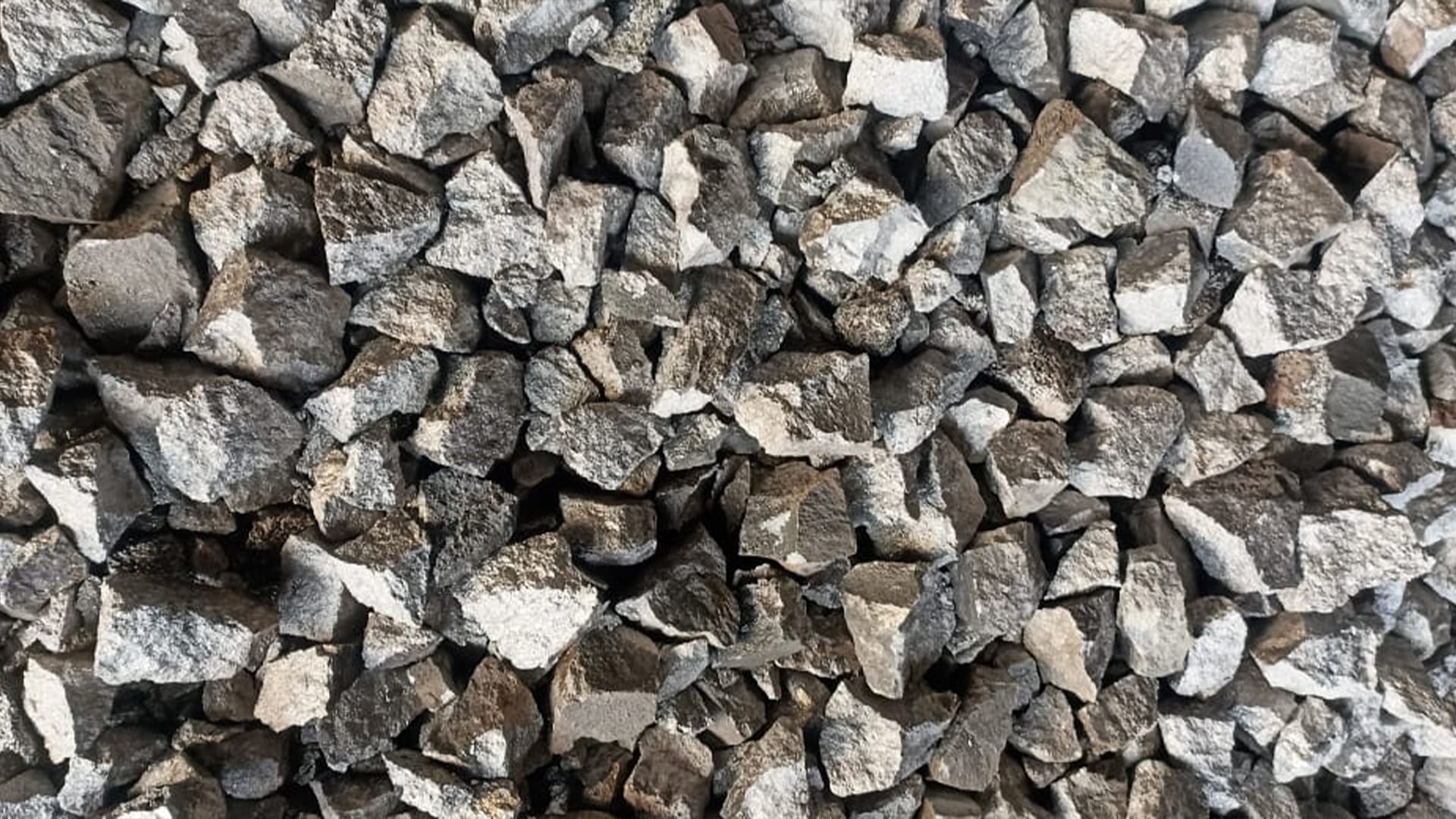
It’s there to add molybdenum into steel or alloys.
And that helps with:
- strength
- resistance to heat
- corrosion performance
- stability in demanding conditions
So it’s not a decorative addition. It actually affects how the material performs later.
Which is why even small variations matter.
Where the real issue starts (and it’s not obvious)
Let’s say two batches have almost identical chemical composition on paper.
Still, they might not behave the same inside the furnace.
Why?
Because composition is only one part of the story.
Things like:
- how the alloy was produced
- what raw material was used
- how consistent the process was
- even particle size or density
all affect performance.
This is where the difference between a random supplier and a trusted producer becomes visible.
The word “trusted” gets used a lot… but here it has a meaning
It’s not about branding.
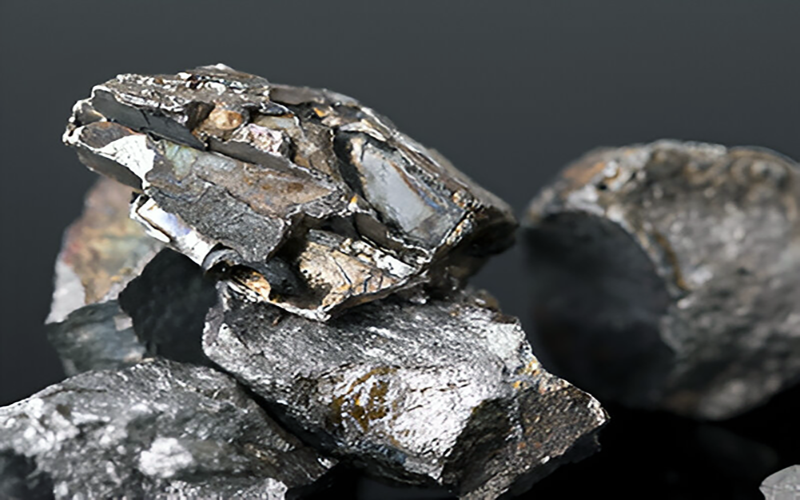
In this context, a trusted ferro molybdenum producer usually means:
- they don’t keep changing raw material sources every week
- their process is relatively stable
- output doesn’t fluctuate too much between batches
Basically, they aim for repeatability.
Same input → similar output → predictable behavior.
Sounds simple, but in practice, it takes effort.
What happens when the producer is not consistent
This is where things become slightly frustrating inside a plant.
Not big problems. Just ongoing adjustments.
- operators tweak temperature
- timing gets adjusted
- additions are modified
- results are monitored more closely
All of this is manageable.
But when it keeps happening again and again, it slows things down.
And more importantly, it creates uncertainty.
And uncertainty is what most plants try to reduce
Steel and alloy manufacturing already has enough variables:
- temperature fluctuations
- reaction timing
- equipment limitations
- human factors
If raw materials also behave unpredictably, you’re adding one more variable.
And that’s usually not welcome.
So over time, plants start making small changes in sourcing.
Not always officially. Sometimes just gradually.
Why working with a trusted producer changes things
Not in a dramatic “everything becomes perfect” way.
But in smaller, noticeable ways.
You stop guessing as much
When material behaves consistently, you don’t need to keep second-guessing inputs.
Fewer mid-process adjustments
Operators don’t have to keep tweaking things for every batch.
Planning becomes easier
When recovery and performance are predictable, calculations make more sense.
Less mental load on the team
This one is rarely discussed, but it’s real.
When materials are unpredictable, people stay on edge more.
Consistency reduces that pressure.
Something that usually happens over time
In the beginning, sourcing decisions are often price-driven.
That’s normal.
But after a few cycles of:
- inconsistent batches
- small inefficiencies
- repeated adjustments
the focus starts shifting.
Not suddenly.
Just slowly toward:
👉 “who gives us fewer problems?”
And that’s when trusted producers become important.
Also, ferro molybdenum is not working alone
This part is easy to overlook.
Inside alloy manufacturing, everything interacts.
Ferro molybdenum works along with:
- manganese
- chromium
- other alloying elements
If one of them is inconsistent, the whole balance shifts.
So even if ferro molybdenum is stable, but manganese isn’t, results can still vary.
That’s why some plants prefer suppliers who can maintain consistency across multiple materials.
Where Dsalloyd Pvt Ltd fits into this
Not directly as a ferro molybdenum producer, but as part of the larger system.
Dsalloyd Pvt Ltd supplies manganese metal flakes and noble alloys, which are also important in alloy manufacturing.
And when materials like manganese behave consistently, they support the overall process.
It reduces one more variable.
So instead of managing too many unpredictable inputs, having stable suppliers across categories makes things smoother.
Not perfect — just easier to manage.
A slightly different way to think about it
Most improvements in manufacturing don’t come from big changes.
They come from removing small uncertainties.
A trusted ferro molybdenum producer doesn’t transform the process overnight.
But it removes one source of variation.
And sometimes, that’s enough to make everything else feel more stable.
Final thought (keeping it real)
No plant runs perfectly.
There are always adjustments, always some variation.
But the goal is not perfection.
It’s predictability.
And over time, people realize that predictability depends a lot on who they source from.
Ferro molybdenum might be just one part of the process.
But when it’s consistent, it quietly makes everything else easier.
FAQs
It is used to add molybdenum into steel and alloys, improving strength, heat resistance, and corrosion properties.
Because production consistency affects how the material behaves during actual use, not just its lab composition.
Yes, it can lead to variation in recovery, more adjustments, and less predictable results.
In many cases, yes. It helps maintain consistency and reduces variation over time.
Manganese, chromium, and other alloying elements also need stable quality.
👉 If you’re working on improving consistency in alloy production
Sometimes the issue isn’t obvious.
It’s not always the process or the equipment. Sometimes it’s just small variations in input materials building up over time.
If you’re already looking at improving consistency, it makes sense to look at all alloy inputs — not just one.
Dsalloyd Pvt Ltd supplies manganese metal flakes and noble alloys with a focus on steady industrial quality.
You can explore here:
https://www.dsalloyd.com/
Not saying it fixes everything…
but it removes one more uncertainty from the process.
