
Why Steel Plants Prefer Direct Moly Oxide Briquettes Manufacturers
This is one of those topics that doesn’t sound very important at first.
I mean, moly oxide briquettes… it sounds like just another raw material, right?
But if you talk to someone who’s actually working in a steel plant, especially on the production or procurement side, they’ll tell you — small material differences can create very real headaches.
Not always big problems. Sometimes just small things that keep repeating.
And over time, those small things are exactly why many plants start preferring direct manufacturers instead of buying through multiple layers.
It usually starts with something small (not a big failure)
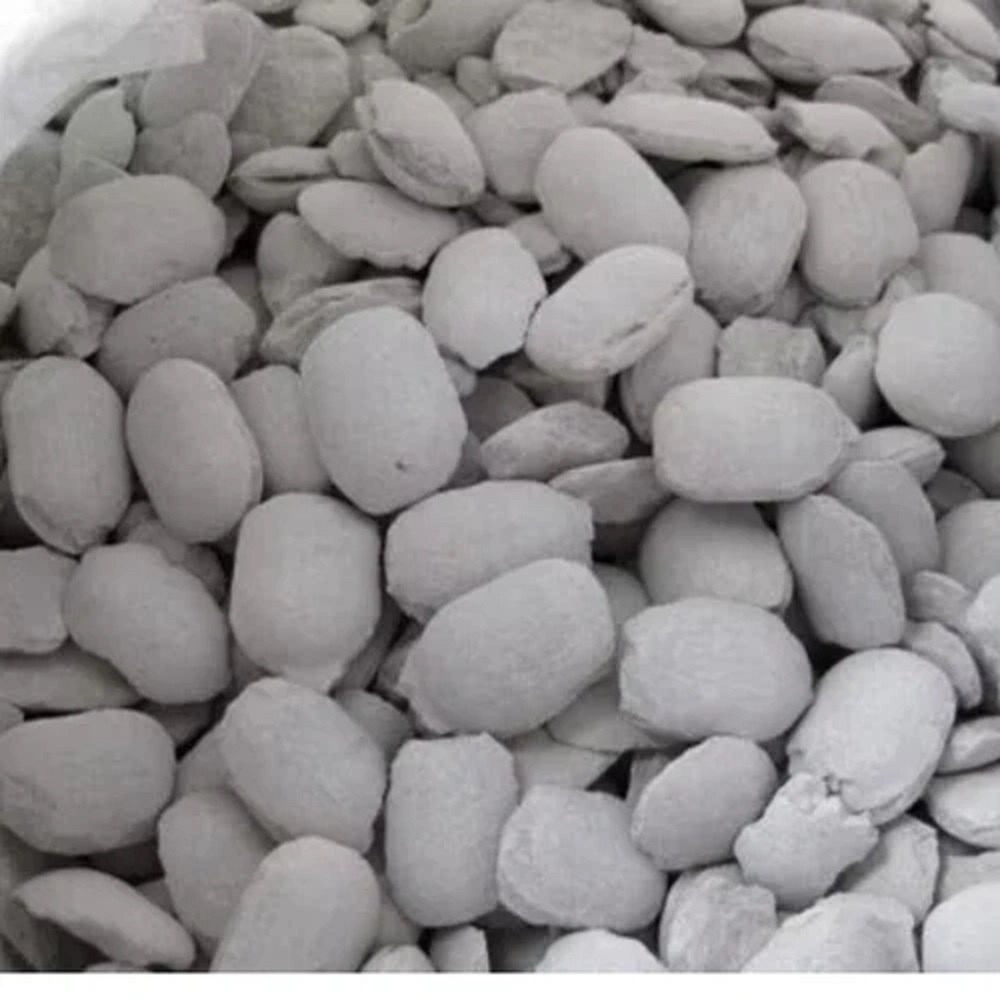
Moly Oxide Briquettes Manufacturers
Nobody suddenly decides to change suppliers because of one issue.
It’s more like this:
One batch gives slightly lower recovery.
Another one takes longer to dissolve.
Then someone says, “this feels a bit different than last time.”
At that point, nobody panics. Adjustments are made, work continues.
But when the same pattern repeats across weeks or months, people start noticing.
And then the discussion shifts from process to material source.
Quick note — what these briquettes actually do
Not going into textbook mode here.
Moly oxide briquettes are basically used to introduce molybdenum into steel. That’s important for:
- strength (especially at high temperature)
- resistance to corrosion
- stability in certain grades
So yeah, they matter. Not the biggest input, but definitely not something you can ignore.
Where things get a bit unpredictable

Moly Oxide Briquettes Manufacturers
Here’s something that doesn’t get talked about much outside the plant.
Two batches can have almost the same composition on paper…
but behave differently inside the furnace.
And when that happens, people don’t immediately blame the material. They try adjusting process first.
Temperature tweak. Timing tweak. Addition sequence change.
Sometimes it works. Sometimes it doesn’t.
That’s when sourcing comes into question.
Why buying through traders can become tricky (not blaming, just reality)
Traders are useful. No doubt about that.
They help when:
- material is urgently needed
- plant doesn’t want to deal with multiple manufacturers
- flexibility is required
But the challenge is — traders don’t always control the production.
So what can happen is:
- source changes depending on availability
- one lot comes from one manufacturer, next from another
- slight differences start showing up
Not always a problem. But when consistency becomes important, it starts to matter.
And this is where direct manufacturers come in
Over time, many plants just shift their approach a bit.
Instead of asking “who can supply fastest or cheapest?”
they start asking “who gives us the least variation?”
That’s a different mindset.
And that’s why direct sourcing becomes more common.
What actually improves when you work directly
Moly Oxide Briquettes Manufacturers
Not trying to make it sound perfect — but a few things do get easier.
You kind of know what to expect
Same manufacturer usually means:
- similar raw material source
- similar briquetting process
- similar behavior in furnace
Not identical every time, but more predictable.
Conversations become more useful
If something feels off, you can actually discuss it with the people who made the material.
Instead of:
“we’ll check and get back”
it becomes:
“this is how it was produced, let’s see what changed”
That difference matters when you’re trying to solve something quickly.
Less “trial and error” on the shop floor
When material is inconsistent, operators keep adjusting things.
And honestly, that’s tiring. Also not very efficient.
With more stable input, fewer adjustments are needed.
Recovery becomes more stable (even if not perfect)
This is a big one for cost calculations.
If recovery keeps fluctuating, planning becomes messy.
Direct sourcing doesn’t make it perfect — but usually reduces variation.
One thing people don’t say openly
Sometimes, plants keep switching suppliers trying to save cost.
And then slowly, they realize that:
👉 the savings on paper don’t always match what happens in production
Because:
- extra adjustments
- slight inefficiencies
- occasional rework
all add up.
So eventually, they settle with someone more reliable.
Not because it’s cheaper… but because it’s easier to work with.
Also, molybdenum isn’t working alone
Inside steelmaking, everything interacts.
Molybdenum works along with:
- manganese
- chromium
- other alloying elements
So even if moly input is stable, but something else is fluctuating, results still vary.
That’s why some plants try to reduce variation across all alloy inputs, not just one.
Where Dsalloyd Pvt Ltd fits in this bigger picture
This isn’t directly about moly oxide briquettes, but it connects.
Dsalloyd Pvt Ltd supplies manganese metal flakes and noble alloys, which are also part of the same process.
And if you think about it, when manganese behaves consistently, it supports the overall melt balance.
Which indirectly makes other alloy additions easier to manage.
So instead of juggling too many inconsistent inputs, having stable suppliers across materials makes things smoother.
A slightly different way to look at it
Steelmaking is already complicated enough.
You’ve got:
- heat cycles
- timing
- reactions
- equipment limitations
If raw materials also keep changing behavior, it becomes harder to control outcomes.
Direct manufacturers don’t remove all uncertainty.
But they reduce one layer of it.
And for most plants, that’s reason enough.
Final thought (not overthinking it)
This shift toward direct sourcing didn’t happen because of theory.
It happened because people on the ground got tired of adjusting things again and again.
Moly oxide briquettes are just one example.
When consistency improves, the whole process feels… calmer, in a way.
Less firefighting. More predictability.
And that’s what most plants are trying to achieve, even if they don’t always say it like that.
FAQs
- Why are moly oxide briquettes used in steel?
They help add molybdenum, which improves strength, corrosion resistance, and performance at higher temperatures. - Do all briquettes behave the same?
Not really. Even with similar composition, differences in production can affect performance. - Is buying direct always better?
Not always, but it usually offers better consistency and clearer communication. - What issues come from inconsistent supply?
Mostly small but repeated ones — variation in recovery, process adjustments, and uneven results. - Are other materials equally important?
Yes, especially manganese and other alloying elements. They all work together in the process.
👉 If you’re sourcing alloy materials
If you’re seeing small inconsistencies that don’t have a clear reason, it might be worth checking the input materials more closely.
Not everything shows up immediately — sometimes it builds over time.
Dsalloyd Pvt Ltd supplies manganese metal flakes and noble alloys with a focus on steady industrial quality.
You can explore here:
https://www.dsalloyd.com/

