

Moly Oxide Briquettes Producers
Introduction
In steel manufacturing, every raw material has an impact on the final product. While equipment and production technology continue to improve, the quality of alloy materials still plays a major role in determining how efficiently steel is produced.
One material that has become increasingly important in alloy steel production is Moly Oxide Briquettes.
Industrial buyers often compare prices from different suppliers, traders, and distributors before making a purchase. However, many experienced steel manufacturers now prefer working directly with Moly Oxide Briquettes producers instead of buying through multiple intermediaries.
The reason is simple.
A direct producer usually offers better control over product quality, manufacturing consistency, technical support, and supply reliability.
This article explains why more steel manufacturers are choosing direct producers and how that decision can improve long-term production performance.
What Are Moly Oxide Briquettes?
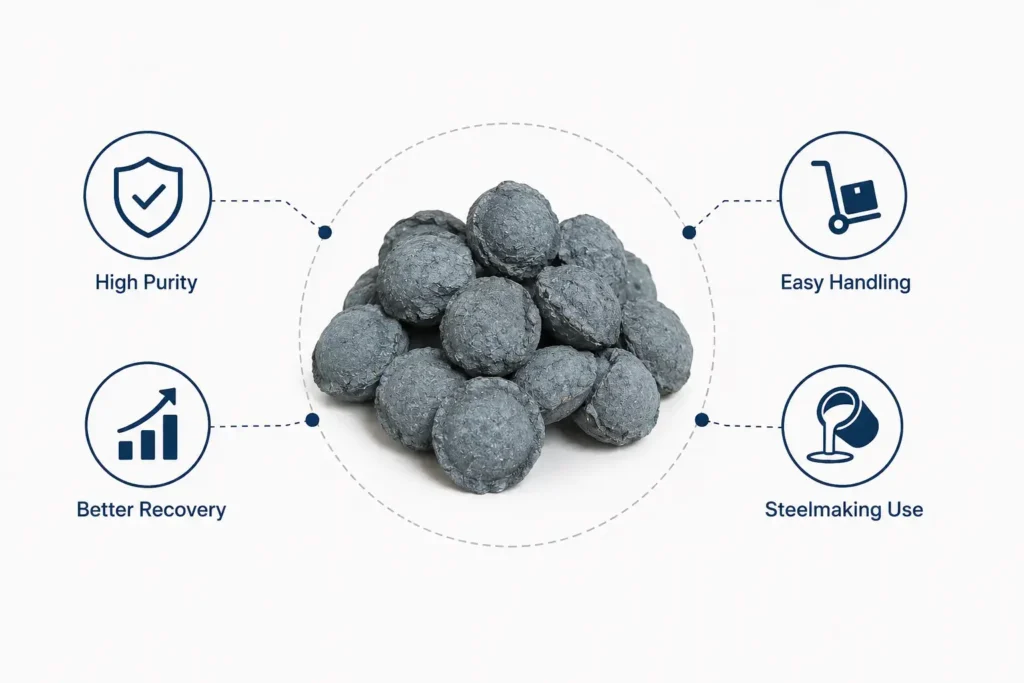
Moly Oxide Briquettes are compacted molybdenum oxide materials used as a source of molybdenum during steelmaking and alloy production.
Their briquette form makes them easier to handle, transport, store, and charge into furnaces compared to loose powder.
They are widely used in manufacturing:
- Alloy steel
- Stainless steel
- Tool steel
- Engineering steel
- Heat-resistant steel
- High-performance industrial alloys
Molybdenum helps improve steel by increasing:
- Strength
- Hardness
- Corrosion resistance
- Wear resistance
- High-temperature performance
These improvements make molybdenum an important alloying element for demanding industrial applications.
Why More Steel Manufacturers Prefer Direct Producers
Buying directly from a producer offers advantages that extend beyond pricing.
It provides greater visibility into how the product is made, tested, and supplied.
Let’s look at the main reasons.
Better Control Over Product Quality
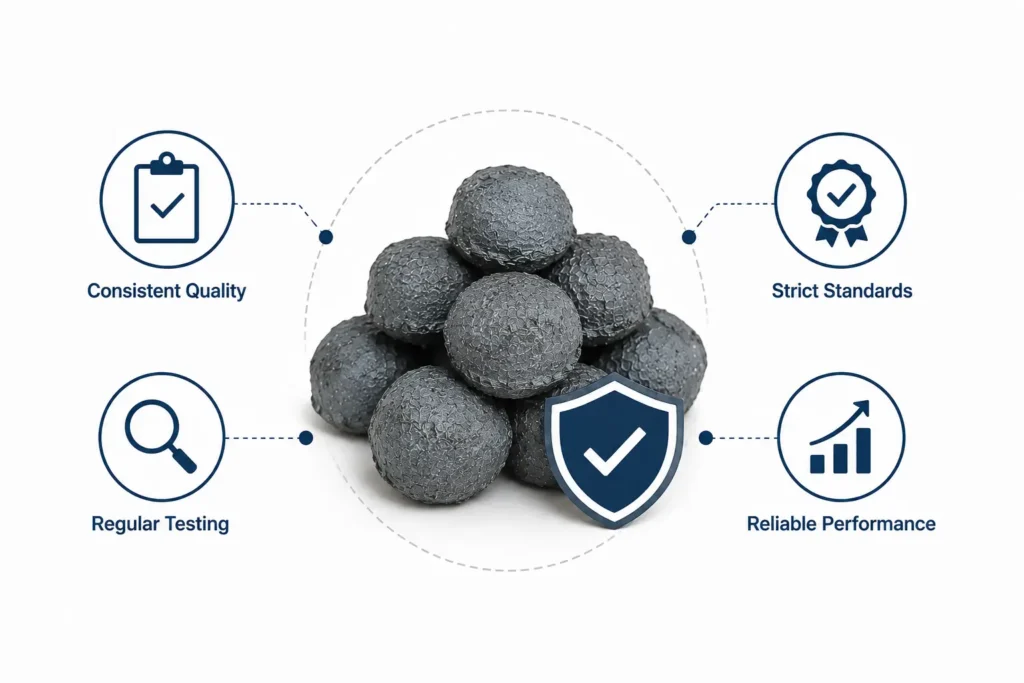
A producer understands every stage of manufacturing because they are directly responsible for it.
This gives customers greater confidence in:
- Product consistency
- Manufacturing standards
- Quality inspections
- Batch traceability
Instead of relying only on documentation from third parties, buyers have access to the original manufacturing source.
Consistent Supply Throughout the Year
Production schedules in steel plants depend on reliable raw material availability.
Working directly with a producer often helps improve supply planning because production capacity is managed at the source.
This reduces the chances of unexpected shortages caused by multiple intermediaries.
For manufacturers operating continuously, supply consistency is just as valuable as material quality.
Better Communication During Technical Discussions
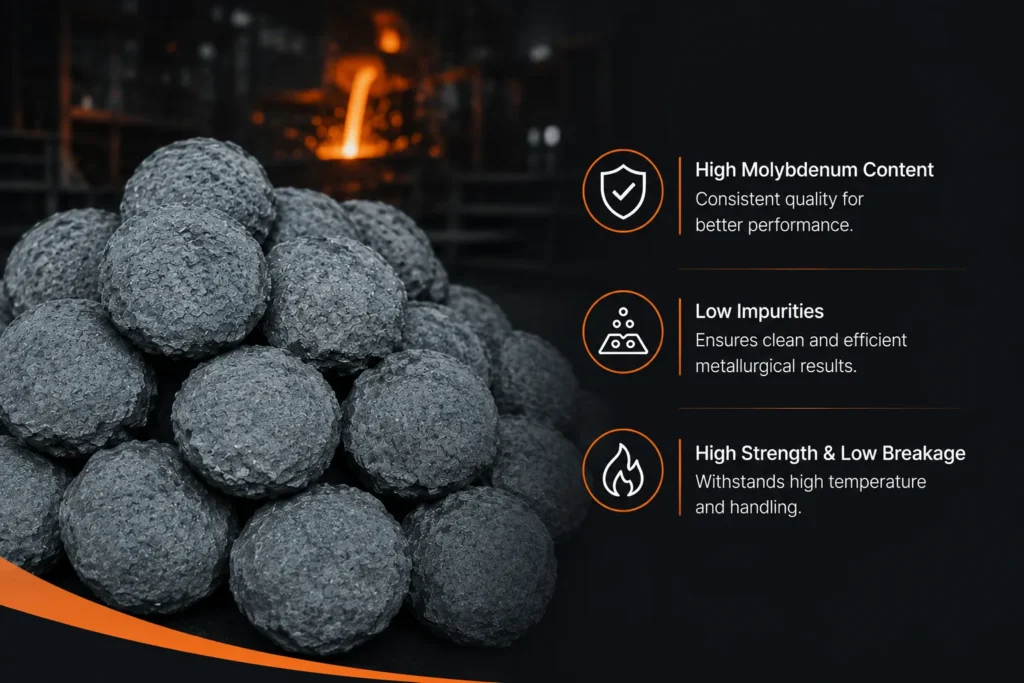
Sometimes production teams have questions regarding product specifications or application.
When purchasing directly from the manufacturer, customers can communicate with people who understand the production process.
This often leads to faster responses and more accurate technical information.
Good communication helps reduce misunderstandings and supports better production planning.
Improved Batch Traceability
Traceability has become increasingly important in modern manufacturing.
If questions arise regarding a production batch, working directly with the producer allows customers to trace manufacturing records more efficiently.
This provides greater transparency and supports long-term quality management.
Reduced Risk of Material Variations
One challenge when buying through several supply channels is maintaining consistent material quality.
Different storage methods, handling practices, or sourcing arrangements may sometimes create variations.
Direct producers usually maintain greater control over:
- Production batches
- Packaging
- Storage conditions
- Dispatch procedures
This helps customers receive more consistent materials over time.
Better Inventory Planning
Reliable producers often work closely with customers to understand production schedules and future demand.
This helps both parties plan inventory more effectively.
Good planning can reduce emergency purchases, production delays, and unnecessary inventory costs.
For large steel manufacturers, stable inventory planning supports smoother operations.
Why Manufacturing Knowledge Matters
One factor that is often overlooked is manufacturing expertise.
A producer understands:
- Raw material selection
- Briquetting methods
- Production controls
- Quality inspection procedures
- Material handling practices
This knowledge allows them to answer technical questions that distributors may not always be able to address.
For customers producing specialized steel grades, this support can be valuable.
Looking Beyond Price
Many procurement teams compare suppliers using price alone.
While pricing is important, experienced buyers also evaluate:
- Product consistency
- Technical support
- Supply reliability
- Production capacity
- Delivery performance
- Long-term partnership value
A slightly lower purchase price may not always produce the lowest overall manufacturing cost.
Reliable materials often reduce production interruptions and improve operational efficiency.
Questions Buyers Should Ask Before Choosing a Producer
Selecting a producer is an important decision.
Before placing an order, buyers should consider asking:
- How is each production batch tested?
- Are quality certificates provided?
- How is material stored before shipment?
- Can supply remain consistent throughout the year?
- What packaging options are available?
- Does the company provide technical support?
- How is product traceability maintained?
The answers to these questions often reveal the manufacturer’s commitment to quality.
Industries That Use Moly Oxide Briquettes
Moly Oxide Briquettes are widely used across industries where high-performance steel is required.
Common industries include:
- Oil and gas
- Construction
- Aerospace
- Automotive manufacturing
- Heavy engineering
- Mining
- Power generation
- Rail infrastructure
- Industrial equipment manufacturing
As demand for stronger and more durable steel continues to increase, reliable molybdenum materials remain essential.
Why Long-Term Producer Relationships Benefit Steel Manufacturers
Many successful steel companies build long-term relationships with trusted producers.
These partnerships offer benefits such as:
- Stable product quality
- Better communication
- Reliable deliveries
- Improved planning
- Faster issue resolution
- Greater confidence in supply
Instead of treating suppliers as short-term vendors, manufacturers often view dependable producers as long-term business partners.
Final Thoughts
Choosing where alloy materials come from can influence much more than purchasing costs.
Working directly with a trusted Moly Oxide Briquettes producer provides greater transparency, better communication, improved consistency, and stronger supply reliability.
For steel manufacturers focused on quality and long-term efficiency, these advantages often outweigh short-term price differences.
Reliable production starts with reliable raw materials, and reliable raw materials usually begin with the right manufacturing partner.
Looking for Trusted Alloy Material Solutions?
High-quality raw materials help steel manufacturers maintain efficient production and consistent product performance.
Dsalloyd Pvt Ltd supplies premium Manganese Metal Flakes and Noble Alloys to steel plants, foundries, and industrial manufacturers. With a focus on dependable quality, reliable supply, and customer satisfaction, Dsalloyd supports businesses looking for trusted metallurgical material solutions.
Visit https://www.dsalloyd.com/ to explore the product range and connect with the team to discuss your alloy material requirements.
Frequently Asked Questions (FAQs)
Moly Oxide Briquettes are used in steelmaking to introduce molybdenum into alloy steel, improving strength, corrosion resistance, heat resistance, and wear performance.
Direct producers typically provide better product consistency, improved traceability, technical support, and more reliable supply.
They manage the complete manufacturing process, including raw material selection, production, testing, storage, and dispatch.
Yes. They are commonly used in stainless steel, alloy steel, tool steel, and other engineering-grade steel applications.
Consistent batches help maintain stable steel chemistry, predictable alloy recovery, and efficient production.
Consider manufacturing standards, testing procedures, supply reliability, quality documentation, technical support, and industry experience.
Yes. Better consistency and dependable supply can reduce production interruptions, material waste, and operational risks.
Dsalloyd Pvt Ltd offers high-quality Manganese Metal Flakes and Noble Alloys for steelmaking, foundries, and industrial manufacturing applications.
